


Generics and Biologics Transforming Healthcare in the Middle East
- Kanishk Kumar
- Nov 10, 2025
- 3 min read

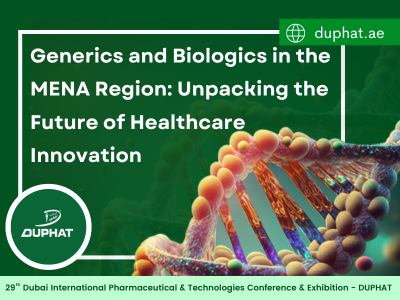
Pharmaceutical healthcare in the MENA region is experiencing a significant transformation led by the rising importance of generic medicines and biologics. Generics provide affordable treatments equivalent in dosage and therapeutic effect to branded drugs but at substantially reduced costs after patents expire, widening access across socioeconomic groups. Meanwhile, biologics, complex medicines derived from living cells, target chronic and severe diseases such as cancer and autoimmune disorders. Biosimilars—cost-effective versions highly similar to reference biologics—are increasingly integrated into regional healthcare systems. This complementary approach ensures broad access through generics and advanced care using biologics, topics actively explored at the Pharma Conference Dubai.
The MENA pharmaceutical market’s growth is fueled by healthcare reforms, demographic shifts, and innovations in manufacturing. Saudi Arabia and the UAE emphasize local production of generics to reduce import reliance and enhance prescription medicine accessibility. Initiatives like Saudi Arabia’s Vision 2030 support pharmaceutical growth by promoting generic procurement and clinical research. Iran also plays a key role in cost-efficient generic manufacturing for domestic consumption. Jordan and Algeria are notable for balancing rising health needs and budget constraints through support for affordable generics.
Biologics and biosimilars represent the fastest-growing market segments, with the regional biologics market valuing $4.1 billion between 2015 and 2019. Saudi Arabia leads sales with over $1.8 billion, followed by Egypt, UAE, and Algeria. Biosimilars are projected to grow at nearly 25% CAGR through 2026, driven by increased funding and demand for innovative treatments. Together, these sectors underscore MENA’s commitment to advancing accessible, cutting-edge healthcare and evolving into a pharmaceutical innovation hub.
Regulatory frameworks blend global standards from the FDA and EMA with regional needs. Agencies like the Saudi Food and Drug Authority (SFDA) enforce stringent clinical and analytical evaluations for biologics and biosimilars, aligning with Gulf Cooperation Council guidelines to harmonize approvals. Nonetheless, inconsistent regional regulations sometimes delay biosimilar adoption. Generics benefit from growing localization policies; countries such as the UAE and Jordan simplify approval processes, while regulatory challenges remain elsewhere. Harmonization and stakeholder engagement, regularly discussed at events like the Pharma Exhibition in Dubai, are key to accelerating uptake.
Manufacturing capacity is expanding strongly. The UAE’s pharmaceutical facilities grew from four in 2010 to 23 by 2022, driven by demand for affordable oncology drugs, biosimilars, and specialty generics as well as government investments. Projects like the Mubadala and G42 Abu Dhabi biopharma hub focus on vaccines and therapeutic production. Mubadala’s 2024 acquisition of KELIX Bio enhances UAE’s generics capabilities, underpinning economic diversification. Patent expirations have increased MENA's competitiveness, with GCC countries producing branded and generics and African nations focusing on volume through waived patents. Discover more at the Dubai Pharma Expo 2026.
Biologics and biosimilars growth is supported by government policies promoting innovation. Saudi Arabia’s Vision 2030 boosts local biologics manufacturing and research. Abu Dhabi’s Mubadala is advancing biosimilar and generic production to establish a biopharma hub. Egypt focuses on regulatory improvements and pharmacovigilance for biosimilar safety. Despite challenges, including regulatory gaps and import dependence, public-private partnerships aligned with EMA and FDA guidelines build a stronger ecosystem, key topics at Pharmaceutical Events in Dubai.
Economically, generics lower healthcare costs and improve medicine access, as seen with Egypt’s policies that cut drug prices. Biosimilars contribute cost advantages supported by SFDA regulations ensuring safety and fostering competition. Pharmacy and Therapeutics Committees in GCC use clinical and economic criteria to manage drug formularies and biosimilar monitoring. National strategies such as the UAE’s target to produce 50% of medicines domestically by 2030 encompass generics and biosimilars efforts featured at Upcoming Events in UAE.
Strategic partnerships like Oman’s public-private ventures, Hikma-Celltrion’s collaboration, Biocon-Tabuk licensing, and Egypt’s WHO biosimilar guideline adoption support regional pharma growth. India remains the largest exporter of generics and biosimilars to MENA. Regional cooperation was emphasized at the 2nd MENA Stakeholder Meeting on Biosimilars and at Upcoming Pharmacy Conferences in Dubai.
Country insights highlight Saudi Arabia’s biotech leadership with SFDA aligned to EMA and FDA guidelines, the UAE’s personalized medicine focus, Egypt’s biosimilar regulatory progress, and Jordan and Tunisia’s EMA-aligned regulations fostering pharmaceutical sector growth. These advances feature prominently at Upcoming Pharmacy Conferences in Dubai.
The future of MENA’s pharmaceutical sector depends on continued innovation, collaboration, and regulatory reform. Addressing challenges like fragmented regulations and infrastructural limits requires regional harmonization and investments. Crucial agencies such as SFDA, MOHAP, and EDA, supported by GCC Council’s unified policy push, are instrumental. The region aims to lead global markets in accessible, affordable healthcare innovation, themes regularly covered at Pharma Trade Shows in Dubai.


Comments